
Political Dirty Tricks and Democratic Choice
All the President's MenThis flow examines how covert interference in primaries and public opinion threatened the fairness of democratic competition beyond Watergate itself.
increasing Bearing strength in each event
 decreasing
Bearing strength in each eventdecreasingInterference as Strategy

Interference as Strategy
Targeting the Opposition
Donald Segretti described proposals to infiltrate Democratic campaigns, disrupt events, and manipulate political workers. The purpose was not simply to collect information, but to keep opponents divided and disorganized.
Competition Recast as Warfare
The tactics treated ordinary campaign activity as a covert battlefield. Their significance came from the use of deception by people acting in the name of a presidential campaign.
The Canuck Letter’s Effect
The Canuck Letter’s Effect
A Fabricated Accusation
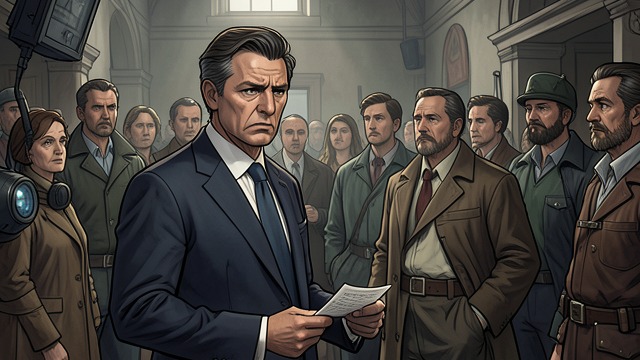
The letter falsely attributed an insulting remark to Edmund Muskie and inflamed a local political dispute. Its publication contributed to a public breakdown that damaged the Senator’s image.
Manipulating Voters Through Identity
The trick exploited ethnic identity and personal loyalty rather than policy debate. It showed how false material could shape a campaign even when no lawbreaking was immediately visible.
Disruption by Small Acts
Disruption by Small Acts
A Pattern of Interference
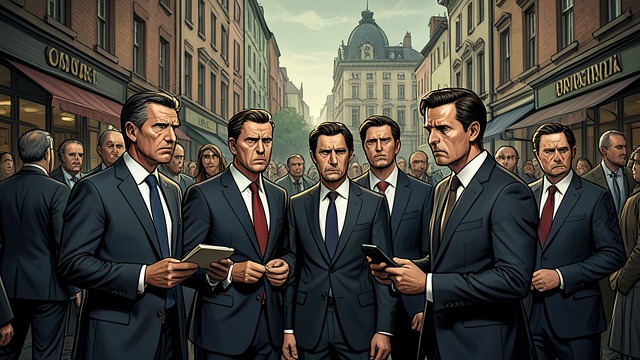
Muskie staffers described stolen polling data, fake literature, harassing calls, and disrupted events. Each incident could be dismissed alone, but together they suggested purposeful interference.
Uncertainty Benefits the Operator
Because the perpetrators were difficult to identify, campaigns could be harmed without a clear accusation or remedy. The uncertainty itself weakened trust and consumed time that candidates needed for genuine political work.
Manufacturing Public Support
Manufacturing Public Support
A Rigged Poll
CRP workers said they submitted thousands of postcards to skew a television station’s poll on the mining of Haiphong Harbor. The campaign also used money for staged expressions of public support.
A Counterfeit Public
The episode exposed how political staff could manufacture an appearance of popular consent. The issue was larger than campaign competition: fabricated public opinion could be presented as evidence of the nation’s will.
A Democratic Process Under Strain
A Democratic Process Under Strain
From Pranks to a System
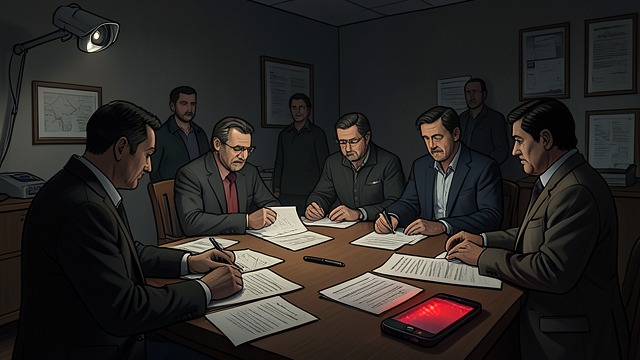
The Washington Post connected scattered disruptions to a wider operation involving surveillance, false communications, and political sabotage. The administration’s defenders described many actions as familiar political roughness.
The Stakes of Fair Competition
The reporting raised the question of whether covert state and campaign resources had been used to distort elections. The scandal’s moral force lay in the threat to a process meant to let voters choose without secret manipulation.
1971
February 1972
1971–1972
May 1972
October 1972–1974
